Do not start by writing new policies
When regulatory pressure increases, the instinct is often to produce new documents. That can help later, but the first job is to establish the facts. What happened? Which controls failed? How long has the weakness existed? What evidence is available now?
Secure the immediate risks
- remove unsafe vehicles from service where required;
- stop drivers being allocated work they are not entitled or fit to undertake;
- book overdue maintenance or statutory actions;
- preserve records rather than rewriting history;
- make sure responsible managers know what has happened.
Build a chronology
Create a clear timeline of events, findings and responses. Include prohibitions, MOT failures, maintenance issues, drivers' hours problems, warnings, management changes and corrective actions. A chronology is often more useful than a large folder of disconnected evidence.
Test the whole system
Regulatory issues rarely sit in isolation. A prohibition may expose weak walkaround checks, poor maintenance control and a lack of management sampling. A drivers' hours problem may expose weak induction, poor analysis and ineffective disciplinary action. Review the connected system rather than treating the headline issue alone.
Create an action plan that can be evidenced
Every action should identify the weakness, corrective action, responsible person, target date and proof of closure. Avoid vague statements such as “staff reminded”. Record what changed and how management will check that the change is working.
Independent review can add credibility
Where appropriate, an independent compliance audit can test whether the corrective actions have actually embedded. The value comes from objective sampling and a report that clearly separates what is fixed from what still requires work.
Official guidance used for this article
Always check the latest official guidance before changing a compliance system.
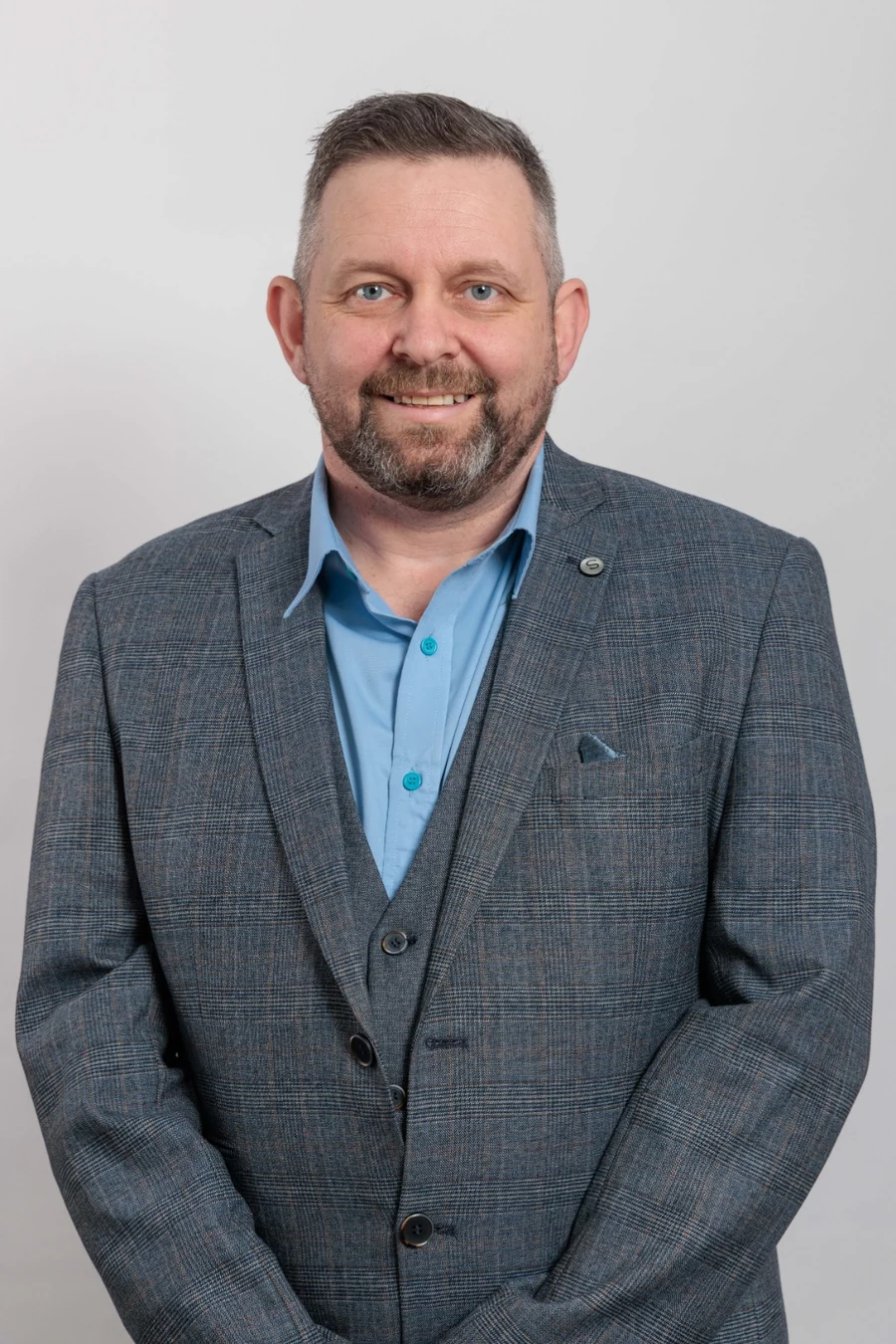
Written by Mike Manning
Transport compliance consultant and Transport Manager supporting commercial vehicle operators with Operator Licence control, audits, FORS preparation and practical fleet systems.
About Mike and MV →